
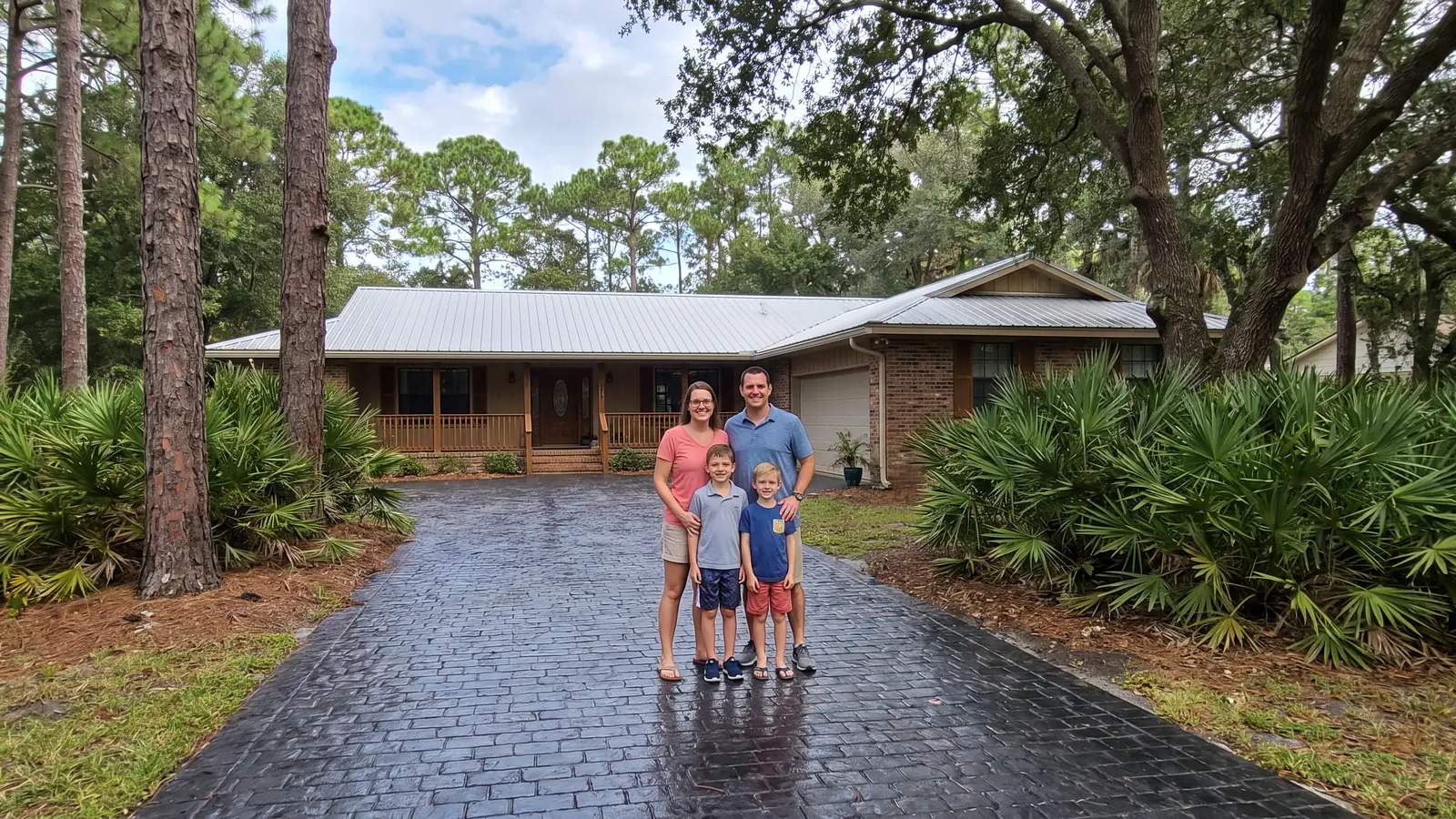
Paver sealing for Cedar Hills homes
Paver Sealing in Cedar Hills, FL
Cedar Hills ranch homes go back to the 1950s, so call (904) 289-5931 to price sealing for the patio or driveway.
- Brings out deeper paver color
- Fresh joint sand helps lock pavers in place
- Gives weeds less room to grow
- Makes the surface easier to keep clean
- Free estimate, no obligation
Request a Free Estimate
Free, no obligation.
Fast, careful paver sealing in Cedar Hills
Paver sealing is available in Cedar Hills, from the streets near Blanding Boulevard to the blocks out toward Lane Avenue. A local contractor cleans the pavers, puts fresh sand in the joints and applies the sealer, and the estimate is free. Go ahead and send a free estimate request; someone should answer within 1 business day, usually much sooner.
Think about the patio outside your sliding doors, gray and spotted, with grass poking up through the joints. After a wash, new sand and a coat of sealer, those same pavers look cared for again. Tell the contractor what you see when you call (904) 289-5931.
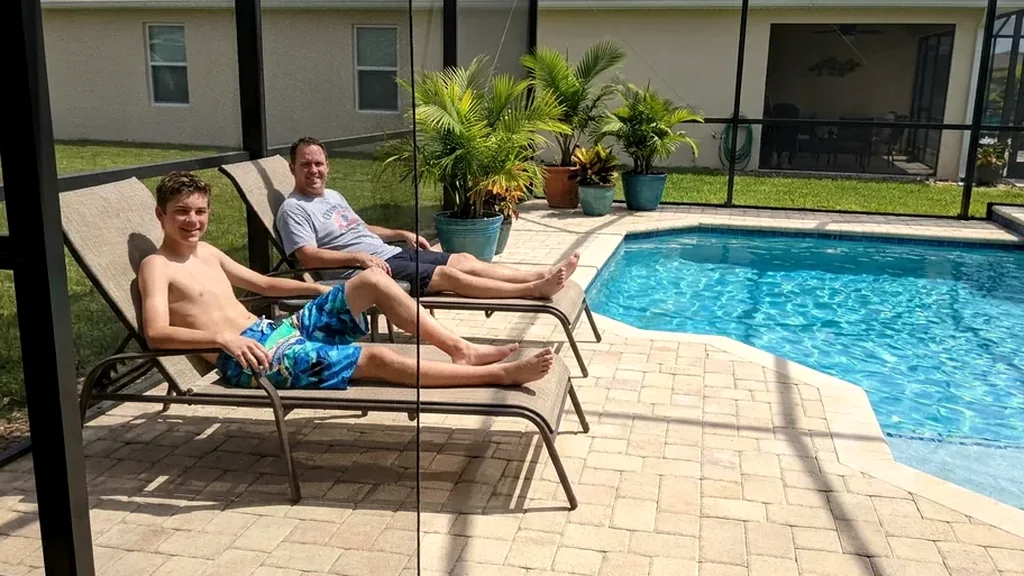
Why hire a local paver sealing contractor in Cedar Hills?
Cedar Hills homes date to the 1940s and 1950s, so the pavers around them came later and their history can be a mystery. A local contractor sorts that out before anything goes on, and you can send a free estimate request to start.
A free look, a real number
The contractor measures your Cedar Hills patio or driveway at no charge and gives you a price. You decide what happens next.
A fair yardstick
One published figure runs $1.75 to $3.25 for each square foot cleaned, sanded and sealed. That is your yardstick for a Cedar Hills bid.
Plans for older yards
Mid-century lots come with settled yards and unknown past work. The contractor asks what was done before choosing a product, which saves a mistake.
No obligation
The finish and the date are yours to choose. Asking for a Cedar Hills estimate does not commit you to hire anyone.
Get Your Free Estimate in Cedar Hills
Tell us about your pavers in Cedar Hills.
Free, no obligation
What paver problems show up most in Cedar Hills?
A patio added long after the house
Cedar Hills has about 3,000 brick or concrete block homes built in the 1940s and 1950s. The ranch plan put a patio outside the sliding doors, and any pavers there came later. Nobody may remember who laid them or what went on top. An old coat has to be identified first, because the two sealer types do not mix. If the coat is peeling or patchy, that is a clue the old product needs attention before anything new goes on. A home from this era may also have had its patio expanded since, which leaves two or three different paver ages on one lot. Metro Jacksonville notes that lot frontages here are large with wide front setbacks, so the walk from street to door can be long.
Water with nowhere to go
In August 2017 a Cedar Hills resident of more than 40 years told News4JAX that a blocked storm drain was flooding houses and making the ground cave in. A wall of brick that the city put in the year before was already sinking. Ground that moves can sink pavers, and sealing locks in a dip. Low spots get reset before any coat goes on. This does not mean every yard here floods. It means the contractor should hear about any water trouble before measuring.
Sandy ground and hard summer rain
The USDA describes the Ortega soil series, first described in Duval County, as fine sand more than 80 inches deep that drains quickly. Jacksonville gets about 53 inches of rain a year, with the biggest gains in summer and fall. Sand drains fast, but joint sand can also leave with the water. Open joints let weeds in. A refilled joint holds pavers snug and gives weeds less room to start, which is the main reason sand gets replaced before any coat. The Cedar River wanders through the Westside before it joins the Ortega River, so low lots near the water deserve a closer look.
Big rebuilds along the Cedar River
Many homes along the Cedar River shore have been greatly expanded or replaced with much larger ones. A bigger house often comes with a bigger driveway, courtyard or pool deck. Newly laid pavers may need to wait 60 to 90 days before their first coat, one paver company says. Ask before you book. A courtyard or pool deck also raises the cleaning time, since there are more edges and corners to reach.
Summer sun and damp corners
Summer daily highs stay near 91 degrees in Jacksonville. One local company says sun fades unsealed concrete pavers within 3 to 5 years. Behind a ranch house, shady corners with poor air flow can grow algae faster. Cleaning handles the green, and sealer helps the surface shed water afterward. A shaded patio at the back of a ranch house may never see direct sun, so the green returns sooner there than on a sunny driveway.
Do Cedar Hills' older ranch streets need a different sealing plan?
Yes, because the age of the house hints at what is under your feet. Cedar Hills has seven residential neighborhoods of homes built in the 1940s and 1950s. In Cedar Hills Estates, one data page shows homes built from 1955 to 1971, with a median of 1960. Give the contractor a rough build date when you send a free estimate request.
Streets here carry storybook names, such as Mother Goose Road, Peter Pan Place and the Flopsy, Mopsy and Cotton Tail lanes. The area runs from Blanding Boulevard to Lane Avenue, and lot frontages are large with wide setbacks. That can mean a long driveway to cover. If you live on one of those streets, call (904) 289-5931 and ask how the contractor would measure it.
HOA rules are less common here. Listings in Cedar Hills Estates mostly say there is no HOA. If you do belong to one, state law lets it judge a change only by what its own documents state. Either way, send a free estimate request and mention any rules you know about.
What does paver sealing cost in Cedar Hills?
The published range for a clean, sand and seal around Northeast Florida is $1.75 to $3.25 per square foot. A Cedar Hills patio or drive lands inside it depending on dirt, lost sand and any old coat that has to come off. One Jacksonville company says the porosity of the pavers also affects price. For a number for your patio or driveway, send a free estimate request.
Layout counts as much as the rate. A single ranch-house driveway is quick to measure, while a rebuilt riverside home may have a driveway, courtyard and pool deck. A small patio may cost more per square foot, since some companies have a minimum job size. Ring (904) 289-5931 and the contractor will say which of these fit.
| Paved area | Typical example | Clean, sand and seal |
|---|---|---|
| 300 sq ft | Small patio or walkway | $525 to $975 |
| 600 sq ft | Two car driveway | $1,050 to $1,950 |
| 1,000 sq ft | Large driveway or pool deck | $1,750 to $3,250 |
| 1,500 sq ft | Driveway plus pool deck | $2,625 to $4,875 |
Math based on the $1.75 to $3.25 per square foot that Northeast Florida paver companies publish. Your contractor sets the actual price after seeing the surface. Repairs, leveling and stripping failed sealer are usually extra.
How does a paver sealing job work in Cedar Hills?
Walk the yard and ask about the past
The contractor looks at your pavers, how water leaves the lot and any sunken spots. Because Cedar Hills homes date to the 1940s and 1950s, the pavers came later, and an unknown coat is common. Sunken or lifted areas are reset first, since sealing locks in a dip. Point out any spot where your yard floods. This first look also tells the contractor how many square feet the job covers. It also helps to say whether the patio was added after the house, since that dates the pavers.
Wash at the right pressure
Cleaning removes gray film, algae from shady corners and stains. A trade supplier says going over 3,000 PSI on standard concrete pavers risks stripping the surface, so the wash is kept well under that number. Oil and rust get pre-treated first. Rinse water is steered away from the house and from the neighbors. Stubborn stains may need a second pass, and some deep marks fade without fully leaving.
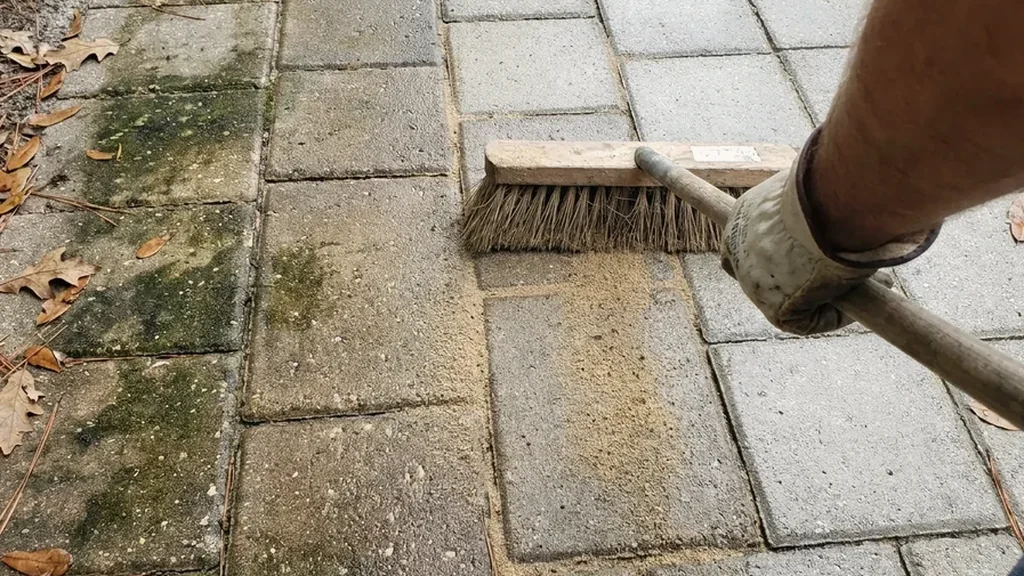
Brush new sand into the gaps
Washing clears out the old joint sand, so new sand is swept in. On the sandy ground of Duval County, empty joints let weeds in and let pavers shift. Joint sand comes in colors that can match your pavers. Full joints hold up better against summer downpours. Replacing the sand is part of the job rather than an add-on.
Wait for a fully dry surface
One Jacksonville paver page says pavers should be sealed only when fully dry, typically 24 to 48 hours after cleaning. Summer storms can add days. Shady and low spots dry last. The contractor checks the forecast before booking the coat. If it rained in the last day or two, expect a short delay rather than a rushed coat.
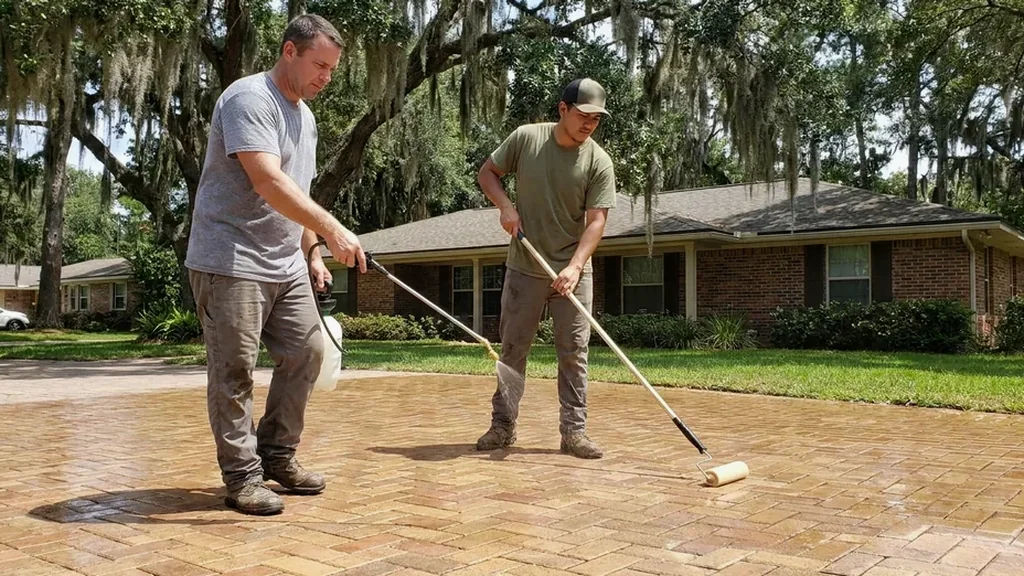
Apply the finish you chose
Application is a spray pass followed by a back-roll, which pushes product into the joints and stops puddles. Matte reads as natural, while a wet look runs richer in color and shows wear faster. Companies often quote two to five years per coat. Shoes are fine after a few hours, and cars wait about a day. Have the product name written down so the next coat can match.
Complete paver services in Cedar Hills
A Cedar Hills job moves from clean to sand to dry to seal. The wash lifts film and grime, new sand fills the joints, and the pavers dry fully before any coat goes on. That order keeps dirt from being sealed in. To ask how a visit would run on your street, call (904) 289-5931.
Ranch homes bring familiar surfaces: a driveway to the attached garage, a front walk and a back patio off the sliding doors. Rebuilt homes by the Cedar River may add a pool deck. Each takes a different kind of wear, from tires to sun to splashing. Tell the contractor which you have when you send a free estimate request.
Sealer choice starts with what is already on the pavers. Water-based and solvent-based products do not mix, so an old coat decides the new one. After that you pick matte or a wet look, and matte hides scuffs better. Call (904) 289-5931 to describe your pavers and talk through the finish.
Rain sets the calendar in Jacksonville. Most of the roughly 53 inches a year falls in summer and fall, so a dry window matters more than a date. A trade supplier warns against going above 3,000 PSI on standard concrete pavers, so the wash is matched to the stone. To find a window that works, send a free estimate request.
Questions to ask before you hire
- Does the price change if my pavers have oil or rust stains?
- How often should I plan on sealing again?
- What does the quote include besides the sealer itself?
- How long does the job take for a driveway the size of mine?
- Will the sealer change the color of my pavers, and can I see a sample first?
- Do you seal pavers that were laid more than ten years ago, or only newer ones?
- Do you wait for the pavers to dry fully before sealing, or work around the weather?
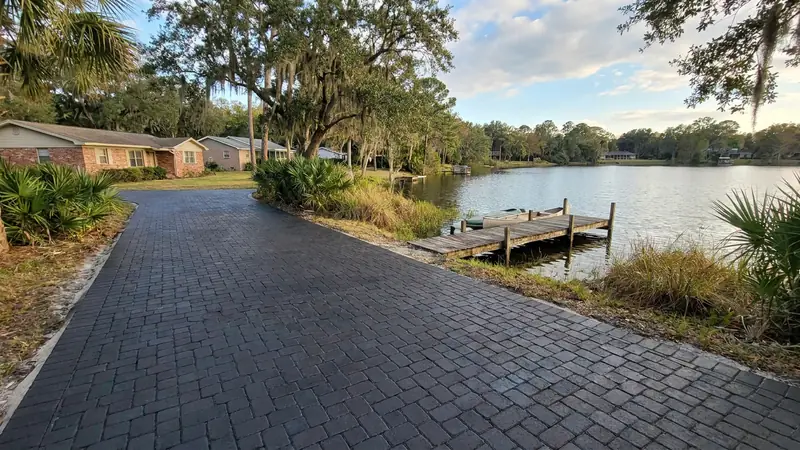
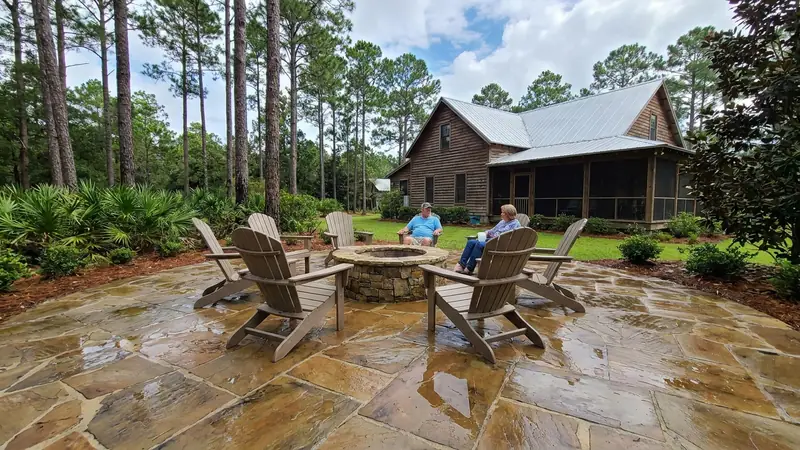
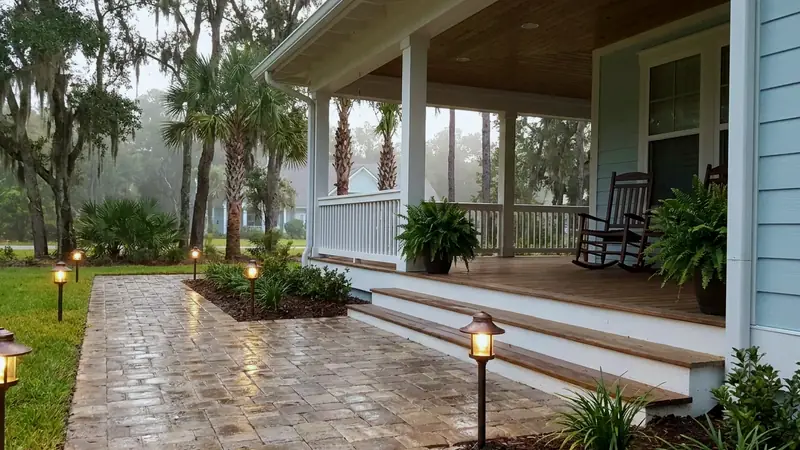
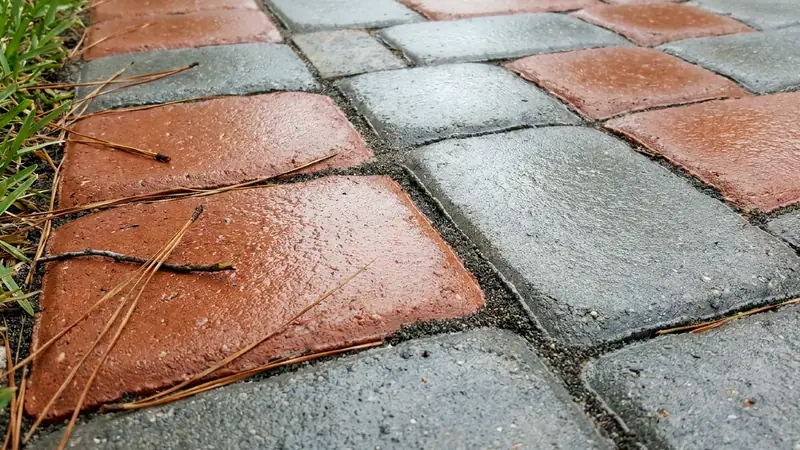
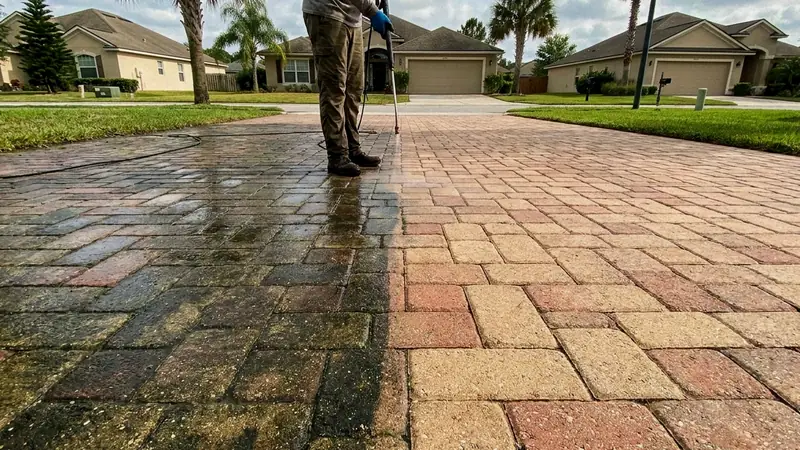
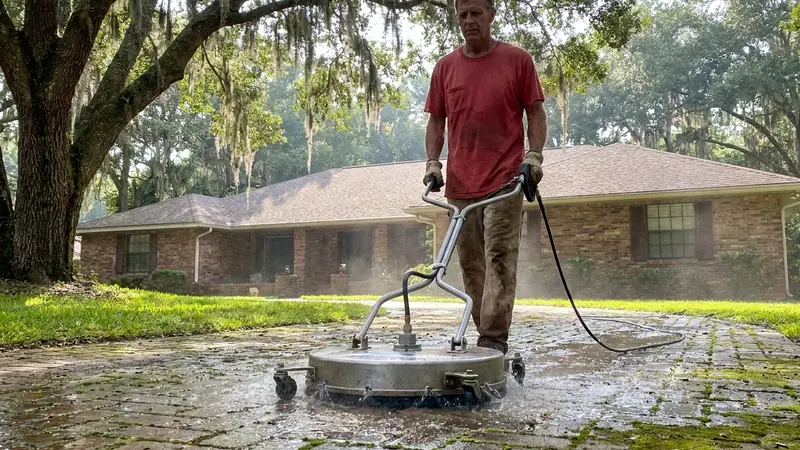
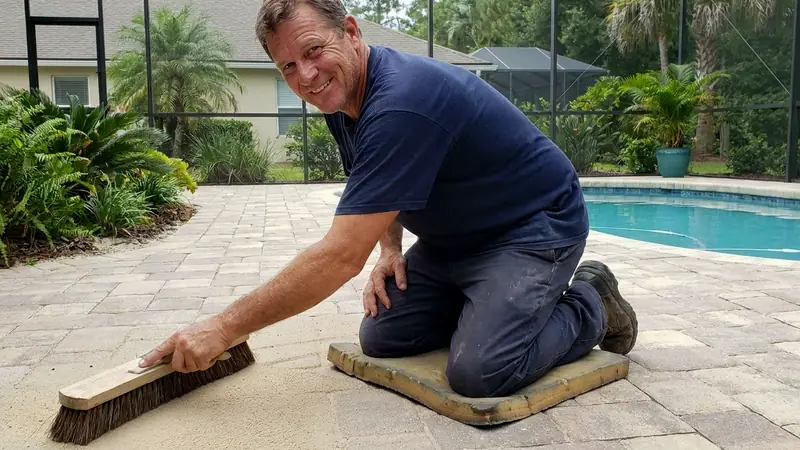
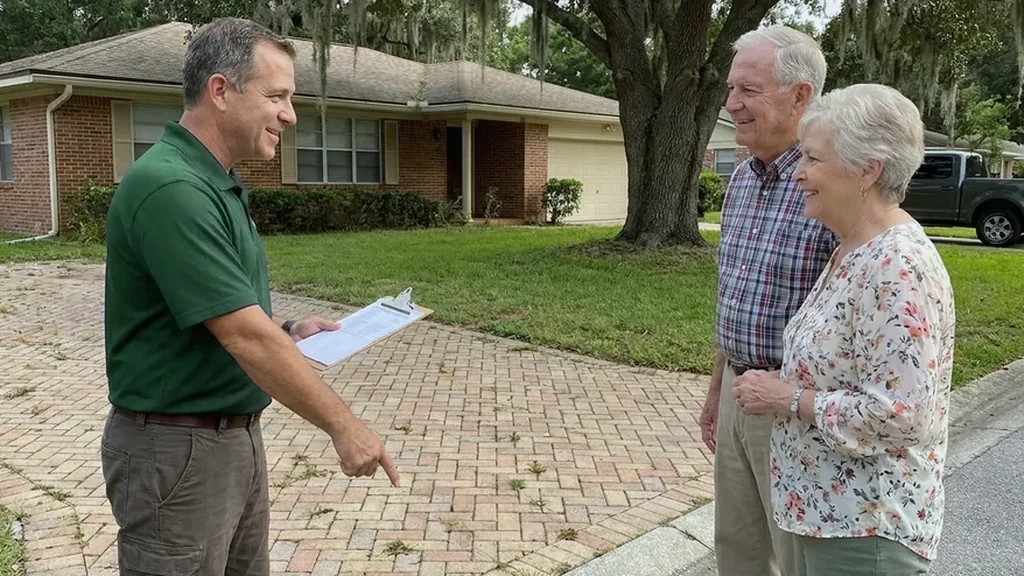
What do sealed pavers look like around Cedar Hills?
Why local matters in Cedar Hills
Cedar Hills runs from Blanding Boulevard to Lane Avenue and holds seven neighborhoods, so the first question is which one is yours. That points to the age of the home and the likely age of the pavers. For a contractor who already knows the Westside, call (904) 289-5931.
Drainage is a local worry. In 2017 News4JAX reported on a Cedar Hills ditch and storm drain that flooded several houses. A contractor familiar with these lots asks about standing water before sealing anything. Mention any flooding on your property when you send a free estimate request.
Houses range from modest ranches to large rebuilds on the Cedar River, and each needs its own scale of work. A local contractor can usually tell from the street which kind you have. If yours is a rebuild, send a free estimate request and say so.
Why does Cedar Hills' mid-century history matter for my pavers?
Cedar Hills grew while Jacksonville shifted from city living to suburban life, and its 1950s houses show it. In 1955 it became home to one of the city's first large shopping districts outside downtown. The Cedar Hills Shopping Center still stands at 282,000 square feet. Those older lots and settled yards shape a paver job, so if your home is near the center, send a free estimate request.
Cedar Hills has a few easy reference points. The Cedar River, which locals call Cedar Creek, runs along the neighborhood, and the Charles D. Webb Wesconnett library sits at 103rd Street and Harlow Boulevard. VyStar Credit Union has its headquarters in Cedar Hills, so near any of these, call (904) 289-5931 and give your street name.
Frequently Asked Questions
What will it cost to clean and seal pavers in Cedar Hills?
Budget $1.75 to $3.25 per square foot for a full clean, sand and seal, which matches what Northeast Florida companies publish. Dirt, lost joint sand and an old coat move a Cedar Hills job inside that range. Ask the quote to list the square footage so you can compare it. Small patios can run higher per square foot, since some companies set a minimum job size.
Is a sealer coat a good idea for Cedar Hills pavers?
For most driveways and patios, yes. A coat helps keep oil and dirt on top of the stone, and one local company notes that sun fades unsealed concrete pavers within 3 to 5 years. You trade that protection for upkeep, since the coat has to be redone. If your Cedar Hills pavers still look good and bead water, you may not need a coat yet.
How long do paver sealers last in Cedar Hills?
Quotes from local companies run two to five years per coat. Direct sun, heavy tire traffic and summer storms can pull a Cedar Hills driveway toward the short end. When water starts soaking in instead of beading, the coat has worn out. A free estimate can show where your pavers stand.
Why is paver sealing so expensive?
Prep eats most of the budget. Cleaning a Cedar Hills patio, filling the joints and waiting for it to dry all happen before any product goes on. The sealer itself is a smaller line on the bill than the labor around it.
Should I fix drainage before sealing my Cedar Hills pavers?
Yes, if water collects or the ground has sunk. Sealing locks in whatever is there, dips included, so low spots are reset first. A blocked ditch or drain is a separate problem for the property owner or the city. Mention standing water at the first visit. The contractor can then plan the reset before the wash.
Does a Cedar Hills pool deck need a different sealer than a driveway?
Often it does. One Jacksonville cost guide says film sealers can trap moisture and turn slick, so most pool decks get a penetrating sealer that keeps grip when wet. A driveway has other needs, mainly tires and oil. Tell the contractor which surface is which.
How soon after rain can my Cedar Hills pavers be sealed?
Wait until they are fully dry, which one Jacksonville page puts at 24 to 48 hours after cleaning. Damp pavers cause cloudy sealer. Shady and low spots dry last, so the contractor may push a date back after a wet week. Rain in the forecast is a reason to wait, not to rush. Shaded corners are the slowest to dry.
Is winter a good time to seal pavers in Cedar Hills?
It often is. Jacksonville's driest stretch runs from November through April, so dry days come more often than in the summer storm season. Cooler air can slow drying, though, so the contractor still checks the forecast. Ask what the next few weeks look like.
What should I do before the contractor comes to look at my Cedar Hills pavers?
Not much. Clear off planters, toys and furniture if you can, and note any spots that sink, flood or stain. Tell the contractor about past sealing if you remember any. A free estimate takes a short walk around the yard.
Do side-yard and back-patio pavers need the same coat as my Cedar Hills driveway?
Often the same product works, but the wear is different. A driveway takes tires and oil, while a shaded back patio turns green sooner because algae grow faster where air barely moves. The contractor can adjust the cleaning plan for each area, even when one sealer covers all of them.
Ready for a Free Estimate in Cedar Hills?
Call (904) 289-5931 and tell us about your pavers.
Free, no obligation